

renovation and addition design | Upstate SC, SC Midlands & Western NC

Transform the Home You Have Into the One You Need

Renovations and additions are more complex than new construction. The existing structure, systems, and site conditions all shape what is possible. We design around those realities from the start.
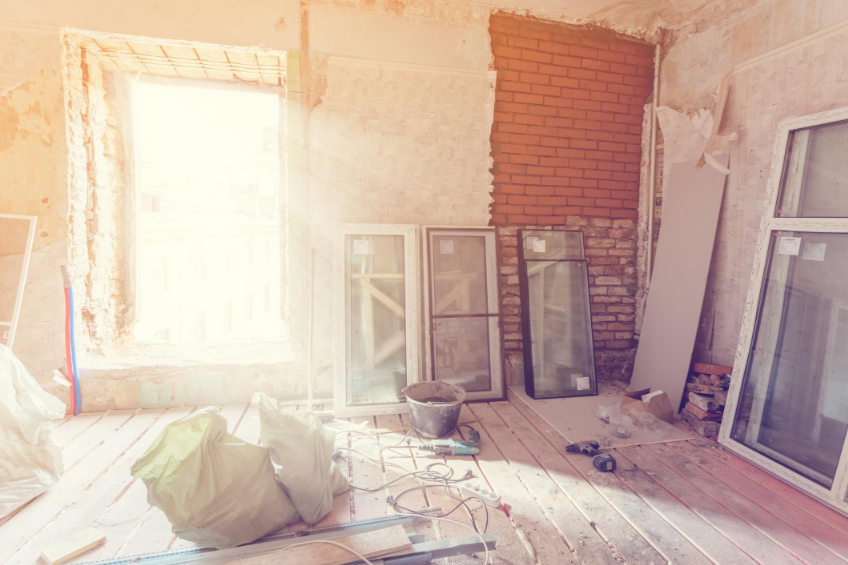
Renovation and addition design

A new home starts with a bare site.

Renovation and addition design starts with everything that is already there.

The existing framing. The foundation that may or may not support a second floor. The roofline that has to be matched or resolved. The mechanical systems that need to be rerouted or upgraded. The permit requirements that apply when square footage is added or structural work is involved.

These are not complications to work around. They are the design problem. Handled well, they become opportunities. Ignored, they show up as change orders, structural conflicts, and budget surprises after construction has started.

Home renovation and addition design requires the same disciplined process as new construction: site evaluation, careful documentation of existing conditions, and construction drawings that give your builder exactly what is needed to price and build the work accurately.

What we design
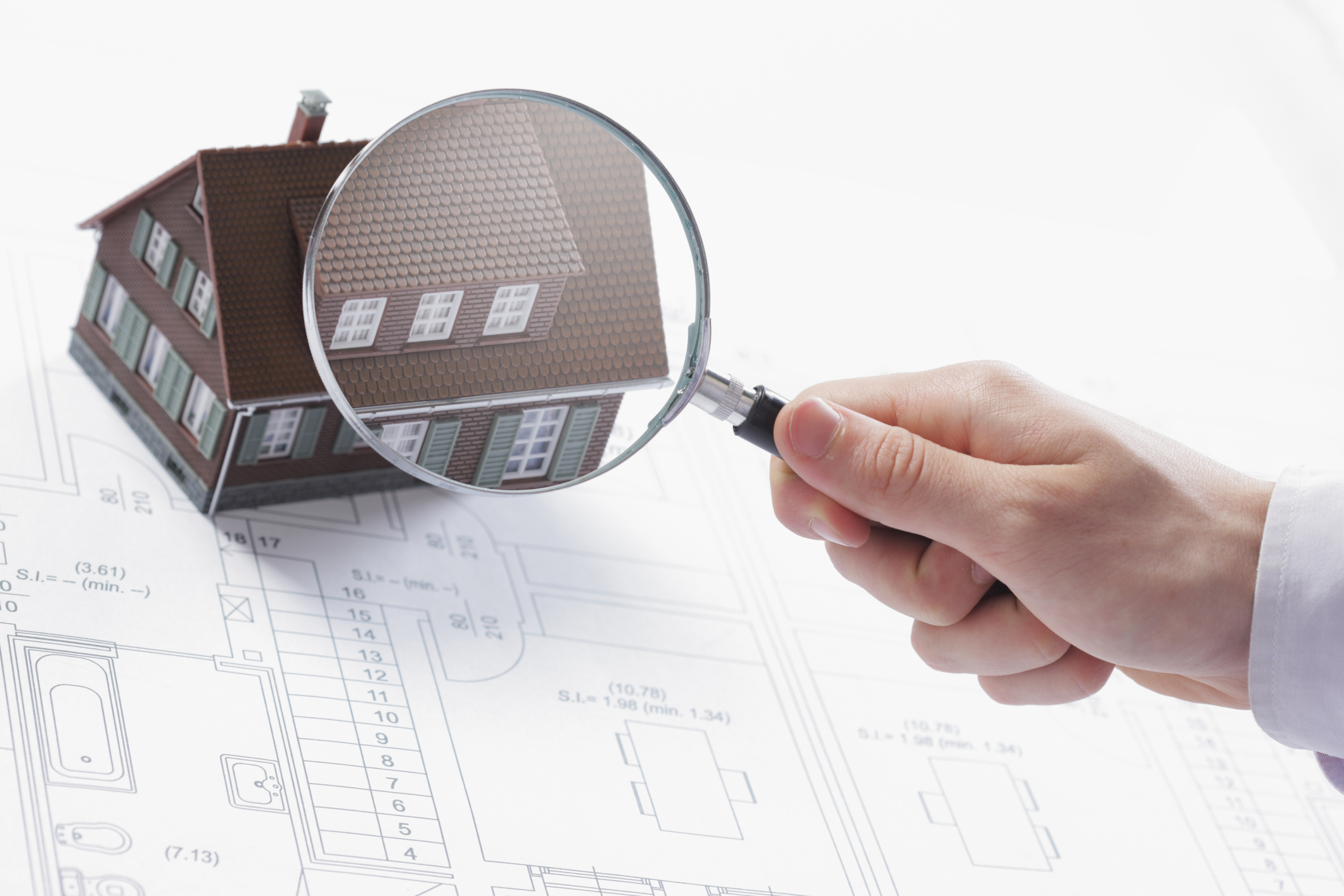
Interior layout changes, kitchen and bathroom redesigns, structural alterations, and whole-home updates that improve how the home functions without expanding its footprint. Includes documentation of existing conditions, design development, and builder-ready construction drawings.


Common projects: kitchen reconfigurations, primary suite expansions, main level open-concept conversions, aging-in-place modifications

New square footage added to an existing home, designed to connect to the original structure architecturally and structurally. Additions require careful attention to rooflines, exterior materials, foundation transitions, and how new spaces connect to existing circulation.


Common projects: primary suite additions, garage conversions, bonus room additions, in-law suites

Detached or attached secondary living spaces on an existing residential property. ADUs require their own site evaluation, zoning review, and utility coordination in addition to full architectural design. A feasibility study is often the right starting point before full ADU design begins.

Common projects: detached guest cottages, garage apartments, backyard studios with full living quarters

What the design process produces

Every renovation and addition design project results in a documented design that your builder can price, permit, and build from. Depending on the scope, this includes:

  • Measured drawings of existing conditions
  • Proposed floor plans showing the full scope of changes
  • Exterior elevations with material and detail notes
  • Key sections and construction details
  • 3D architectural models used to evaluate the design before finalizing
  • A builder-ready plan set for permitting and contractor pricing

The 3D modeling step is particularly valuable on renovation projects. Seeing how a proposed addition connects to the existing roofline, or how a remodeled kitchen relates to the adjacent spaces, resolves questions early that would otherwise surface during construction.

Is professional design the right fit for your project?

Not every renovation needs a full design process engagement. Here is an honest look at when it makes sense.

A good fit if:

  • Your project involves structural changes, additions, or permit-required work
  • You want to evaluate layout options in 3D before committing to a direction
  • The scope is complex enough that a builder will need clear drawings to price it accurately
  • You want the addition or remodel to feel architecturally connected to the original home
  • You have tried to plan it yourself and keep running into questions you cannot resolve

A different approach may suit you better if:

  • The work is cosmetic only and does not require permits or structural changes
  • You are making straightforward like-for-like replacements with no layout changes
  • A design-build contractor’s in-house drawings will meet your permitting requirements