

CPBD or Design-Build: Choosing the Right Path for Your Custom Home Design
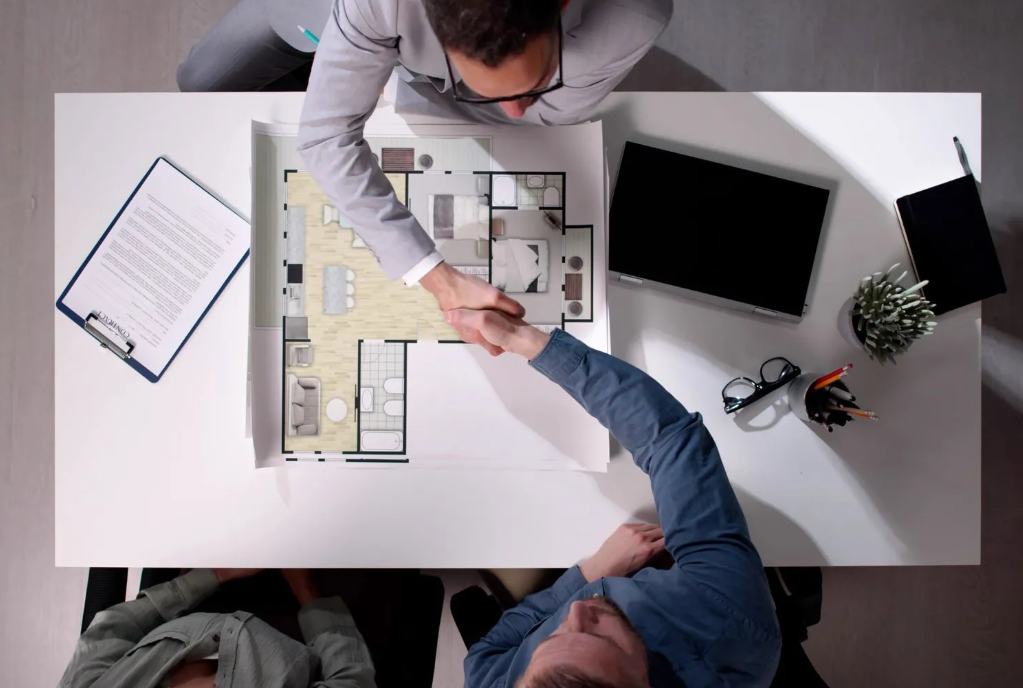
Understand the difference before you commit. The decision to choose a CPBD or design-build firm affects more than just cost.
When most people start planning a custom home, they’ve heard of design-build firms. They’ve probably seen the ads. What they’re less likely to know is that there’s another option: an independent designer with a CPBD credential, and that the difference between the two approaches matters a lot. Both paths can lead to a beautiful home. But they work very differently, and the one you choose shapes your experience from the very first conversation.
Here’s what you actually need to know.
What Is a Design-Build Firm?
A design-build firm is a single company that handles both design and construction. The contractor and the designer work for the same organization, and often the design is handled in-house by the builder’s team or by a designer on their payroll.
The appeal is convenience. One point of contact, one contract, a team that’s presumably used to working together.
The trade-off is independence. When the same company designs and builds your home, the design process is inherently tied to their crews, their suppliers, and their margins. You typically can’t take those plans to another builder for a competitive bid. In many design-build arrangements, you don’t fully own the drawings.
What Is a CPBD?
CPBD stands for Certified Professional Building Designer. It’s a national credential administered by the American Institute of Building Design (AIBD) that recognizes designers who’ve demonstrated a high level of technical knowledge, professional experience, and commitment to ongoing education.
A CPBD works independently. They design your home. They don’t build it, and they have no financial stake in which contractor you hire. That separation matters more than most clients realize.
The Differences That Actually Matter
1. Design Independence
With a CPBD, your designer’s only job is to serve your design goals. There’s no contractor relationship influencing decisions about how something gets framed, what materials get specified, or how a detail gets resolved. The design is driven by your priorities: your budget, your lifestyle, your site. Not by what’s easiest to build with a particular crew.
Design-build firms aren’t necessarily cutting corners, but the structure creates pressure toward what’s familiar and profitable for the builder. That’s worth understanding before you sign.
2. You Own Your Plans
When you work with an independent CPBD, you own the construction documents. You can take them to multiple contractors for competitive bids, use them to get accurate financing estimates, and make informed comparisons before you commit to a builder.
In many design-build contracts, the plans belong to the firm. If you part ways for any reason, you may walk away with nothing to show for the design work you paid for.
3. Competitive Bidding
This one has a direct impact on your budget. When you hold your own plans, you can put the project out to bid and compare not just price, but scope, timeline, and fit. That leverage doesn’t exist when your designer and your builder are the same company.
Most of my clients who go through a competitive bid process are surprised by how much variation there is from contractor to contractor, and how valuable that information is before construction starts.
4. Technical Depth
The CPBD credential requires demonstrated competence in building design, construction documentation, and code compliance. It’s not a sales title. It reflects real professional standards: the kind that matter when a plan is being reviewed by a structural engineer, submitted to a building department, or handed off to a builder in the field.
Not every designer at a design-build firm carries that credential. Some do. It’s worth asking.
5. Builder Relationships
Working with an independent designer doesn’t mean going it alone with your builder. A good CPBD builds strong relationships with quality contractors over time, based on a consistent track record of producing documents that are accurate, complete, and actually buildable. Builders trust designers who make their job easier.
That’s a different dynamic than an in-house designer on a builder’s payroll. And for most clients, it produces better results on both sides of the table.
CPBD or Design-Build: Which Is Right for You?
Consider a design-build firm if:
Consider an independent CPBD if:
A Note on Licensed Architects
You may also be wondering where licensed architects fit in. Architects are required for certain project types: commercial buildings, some multifamily projects, and specific jurisdictional requirements. For most custom single-family residential projects, a qualified CPBD can produce fully permitted construction documents without the fees and timelines that typically come with full architectural services.
If your project does require a licensed architect, a CPBD can work alongside one, or refer you directly. The goal is always to get your project built right.
The Bottom Line
The right choice depends on what you value most. If design independence, plan ownership, and cost transparency matter to you, an independent CPBD is almost always the stronger path.
At Showvaker Residential Design, I bring five decades of construction and engineering experience to every project. That means the homes I design aren’t just beautiful. They’re buildable, code-compliant, and ready to go out for bid the moment you are.
If you’re planning a custom home or major renovation and want to understand what the process actually looks like, let’s talk.
Curtis L. Showvaker, CPBD, LEED GA is the founder of Showvaker Residential Design, a selective residential design firm specializing in high-end custom homes and major renovations.