


Renovate or Rebuild? Avoid 3 Costly Traps
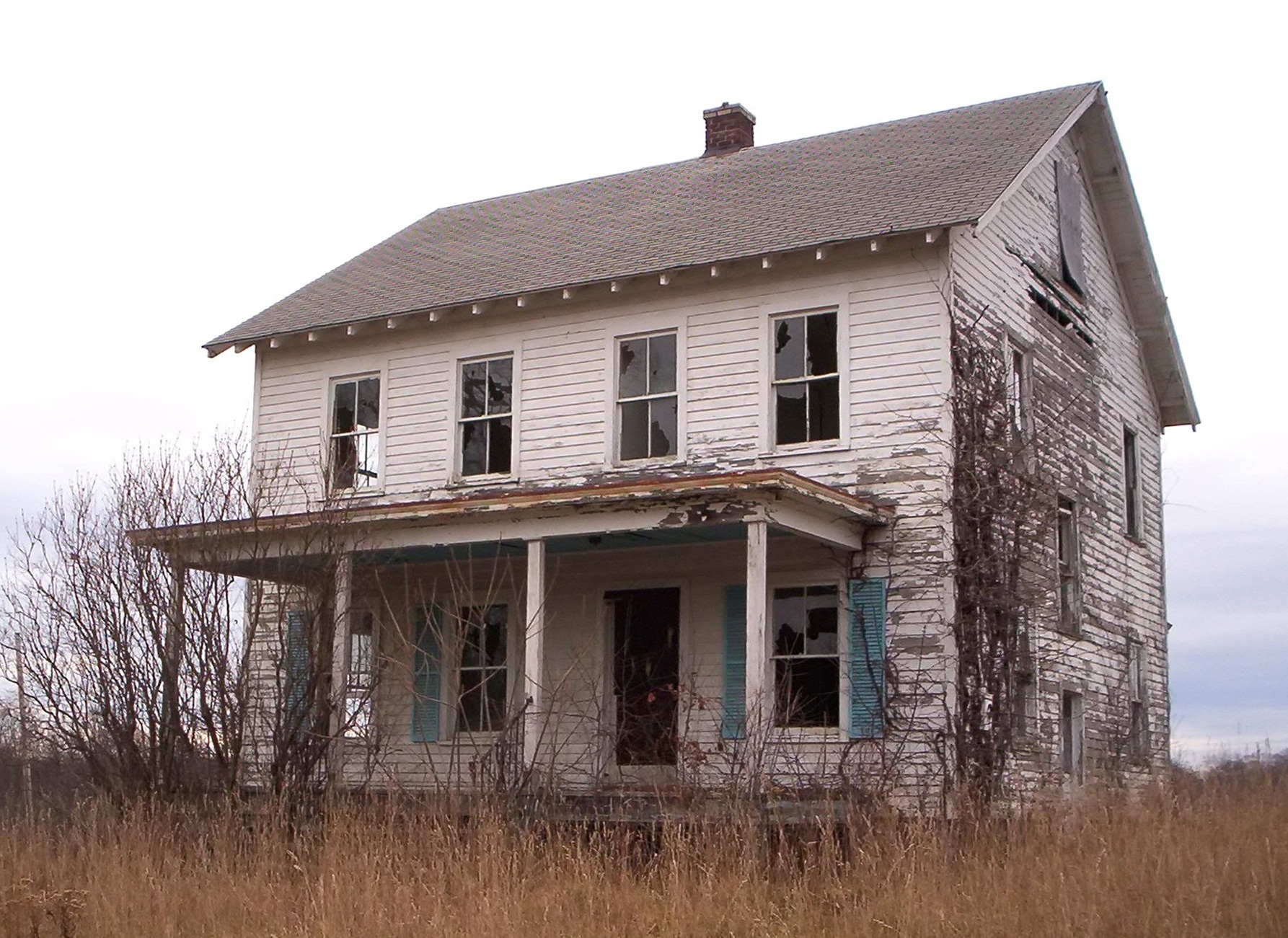
Renovate or rebuild? Every decision like this gets made twice. Once on paper, based on comps and a walkthrough. And once for real, once the walls are open and the structure tells the truth. The gap between those two moments is where budgets blow up, and timelines slip.
Here’s how to decide whether to renovate or rebuild before either one happens.
If you’re evaluating a renovation or teardown-rebuild in Upstate SC, the SC Midlands, or Western NC, here’s the framework you can use to close that gap before you make an offer.
Whether to renovate or rebuild comes down to three things, in order
Get the first two wrong, and the third doesn’t matter.
1. Is the structure worth keeping?
Foundation, framing, and roof are the load-bearing decisions, literally. If those are sound, a renovation, even an extensive one, usually comes in well below new-construction cost. If they’re not, you’re not renovating. You’re rebuilding, and that has some extra steps.
2. What does the code enforce?
This is the one buyers can easily miss. Cross certain thresholds, and the code can require the entire structure to meet current standards, not just the room you’re working in. A remodel that touches a stairway, adds a bedroom, or crosses a flood-zone cost threshold can pull the whole house into compliance. That changes the economics fast, and it’s the kind of thing worth knowing before you make an offer.
3. Does the lot allow a bigger house?
Sometimes the current footprint caps the property’s value regardless of its condition. If the neighborhood supports more square footage than the existing structure can provide, that can justify a rebuild or addition even on a house with good bones.
The traps that change the math
A few specific triggers turn a straightforward renovation into a much bigger project. Worth checking each one before you finalize numbers:
None of these are necessarily deal-killers. They’re just the kind of thing that’s far cheaper to catch with a phone call to the local zoning office than to catch after closing.
SC Code of Laws Title 6, Chapter 29
What a quick site walk actually catches
Inspecting the property in a consistent order catches more than a random walkthrough, and takes about the same amount of time: exterior first (roofline, grading, masonry cracking), then interior (floor levelness, door and window operation, water staining), then crawlspace or basement, then attic last. Crack width, direction, and pattern are the first clues. Diagonal cracking is usually less concerning than horizontal cracking in a foundation wall, but telling cosmetic movement from structural movement generally calls for a closer look than a walkthrough alone provides.
Age alone isn’t necessarily a defect, but a few systems are worth a critical eye since remediation can eat a meaningful share of the budget: aluminum branch wiring or Federal Pacific breaker panels, polybutylene or galvanized supply lines, and R-22 HVAC systems that now run on increasingly expensive reclaimed refrigerant.
Why the renovate or rebuild decision goes wrong
It’s not buying a property that needs work. It’s misjudging which tier of work it needs. Assuming you’re looking at a moderate kitchen and bath renovation, then discovering once the walls are open that it’s actually a gut renovation with full mechanical, electrical, and plumbing replacement, is where deals go from profitable to underwater. An informed look at the structure before you finalize costs is what closes that gap.
Start with a Buildability Review
If you’re seriously looking at a property in Upstate SC, the SC Midlands, or Western NC, a Buildability Review gets you an informed opinion before you’re locked into a number. Reach out, and we’ll schedule a time to discuss your plans, whether you already own the home or are considering purchasing it.