CPBD vs. Design-Build : Choosing the Right Path for Your Custom Home Design

Curtis Showvaker • April 15, 2025
Understand the Difference Before You Commit


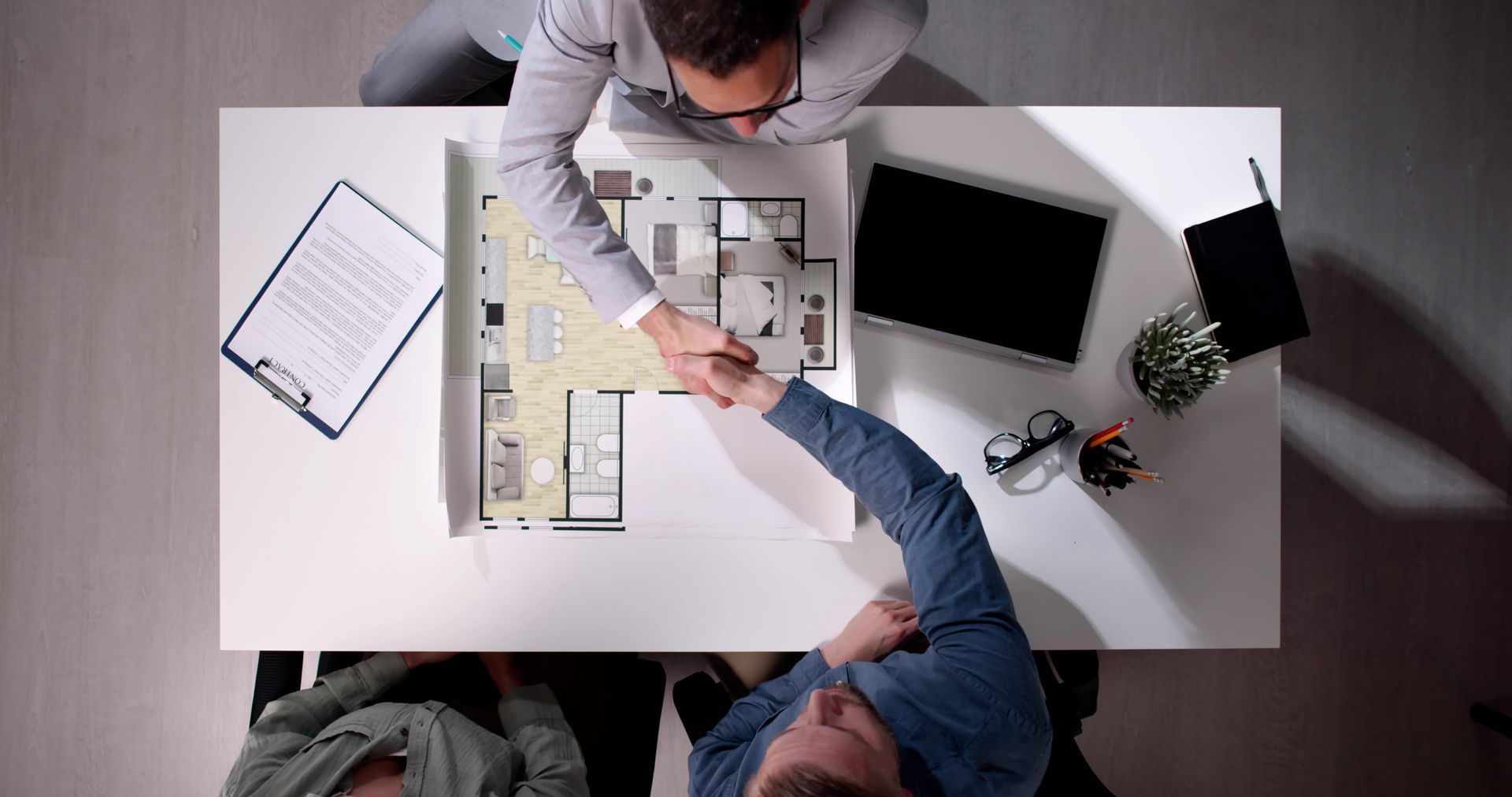
Two men are shaking hands over a blueprint of a house.


When planning a new custom home, one of the first major decisions you’ll face is who will design it. Two common paths are hiring a Certified Professional Building Designer (CPBD) or using a design-build firm. While both approaches offer a path to getting your home built, the experience and outcome can vary significantly depending on which you choose.


If your goal is a truly customized, high-quality, cost-conscious home design, working with a CPBD offers distinct advantages—especially in regions like Upstate South Carolina, the Midlands, or Western North Carolina, where quality design tailored to the landscape is everything.


What Is a Certified Professional Building Designer (CPBD)?


A CPBD is a credentialed residential design professional certified by the National Council of Building Designer Certification (NCBDC). This certification requires:

  • A minimum of 6 years of design experience
  • Passing a rigorous, 4-part national exam
  • Commitment to ongoing education and ethical standards


CPBDs specialize in designing code-compliant residential structures, functional, aesthetically refined, and site-specific—without adding the overhead of a licensed architect or design-build contractor.

Learn more about our custom home design process.


What Is a Design-Build Firm?


A design-build firm combines design and construction under one roof. At first glance, this may seem convenient: one contract, one point of contact. However, it often comes with trade-offs in design quality, flexibility, and cost transparency. Design is frequently driven by construction convenience or internal profit margins, not your long-term vision.


Why a CPBD Is the Better Choice for Designing Your Custom Home


1. Truly Independent Design, Aligned with Your Interests


Unlike design-build firms, a CPBD works exclusively for you, not the builder. That means your designer is focused entirely on:

  • Your goals
  • Your lifestyle
  • Your budget


A design-build firm may prioritize construction efficiency or their internal margins, which can limit creativity, customization, or material options.


2. Better Design for Your Site and Lifestyle


CPBDs specialize in site-responsive design, maximizing views, natural light, airflow, and energy performance. You won’t get a recycled floor plan or forced-fit layout. Instead, your home is designed around:

  • Your lot's terrain
  • Optimal orientation of your home resulting from a solar study
  • Local climate and building codes
  • Your daily routines and preferences


See examples of our custom homes from across the country and throughout Upstate South Carolina and Western North Carolina.


3. Transparent Cost Control


A CPBD can help you make smarter early decisions—like layout efficiency or window sizing—that significantly impact construction costs. Some, including Showvaker Residential Design, also offer construction cost estimating as part of their process, helping you:

  • Prioritize where to spend and where to save
  • Avoid costly redesigns later
  • Stay in control before involving a builder


Design-build firms often keep budgets vague in early phases or upsell during construction.


4. More Flexibility with Builder Selection


When you use a CPBD, you’re not locked into one builder. Instead, you can:

  • Bid the project to multiple contractors
  • Compare pricing, timelines, and experience
  • Choose a builder that aligns with your standards and communication style
  • This flexibility protects you from inflated costs or limited options.


5. Higher Quality Construction Documents


A CPBD produces detailed, builder-ready construction documents—not just conceptual sketches. These include:

  • Site plans
  • Foundation plans
  • Floor plans
  • Reflected ceiling plans
  • Elevations (interior and exterior)
  • Roof plans
  • Framing plans
  • Kitchen, bath, and custom cabinetry plans
  • Sections & details
  • Door & window schedules
  • MEP (Mechanical, Electrical & Plumbing) plans and schedules
  • 3D views and renderings
  • Specifications
  • Landscape plans
  • and more


This results in fewer mistakes, clearer pricing from contractors, and smoother construction.


6. Personalized Guidance Throughout the Process


With a CPBD, you work directly with the designer—not a salesperson or a coordinator. Many, including Showvaker Residential Design, offer construction observation services, helping to:

  • Clarify intent for your builder
  • Resolve field questions quickly
  • Ensure the design is executed as planned


This collaborative support can be rare in design-build workflows.


When Might a Design-Build Firm Make Sense?


In limited cases—like basic renovations, small additions, or repeat-use plans—a design-build firm may be a quick, all-in-one option. But for custom homes, where design quality, site integration, and long-term value matter,  a CPBD offers a far more tailored, transparent, and high-quality experience.


Have more questions about how the design process works? Visit our FAQ page.


How Showvaker Residential Design Helps You Succeed


As a Certified Professional Building Designer and LEED Green Associate, our founder and principal designer specializes in designing luxury custom homes across Upstate SC, the Midlands, and Western NC. Our custom home design process puts your vision, priorities, and budget at the center—so you get a home that truly fits your lifestyle and your land.


From your first conversation through construction, we help you:

  • Clarify your goals and budget
  • Evaluate your site for design opportunities and constraints
  • Develop a custom design tailored to your life
  • Estimate construction costs early
  • Find the right builder
  • Stay confident throughout construction


Ready to Design a Home That Reflects You?


Your custom home deserves more than a prepackaged plan. With a CPBD, you’ll get thoughtful, code-compliant, site-specific design that sets the stage for a beautiful, functional, and enduring home.


Book a Discovery Call to get started today.

Ad for custom home building, showing a blueprint, a mountain home, and text about budget overruns.
By Curtis Showvaker January 2, 2026
What homeowners need to understand before committing to full design
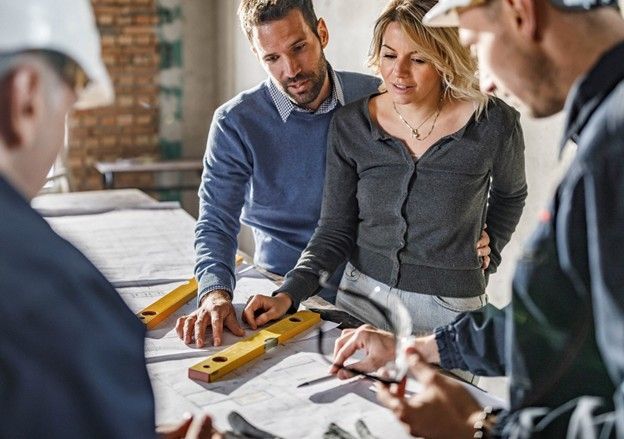
Couple reviewing blueprints with construction workers at a construction site.
By Curtis Showvaker December 11, 2025
How Clear Construction Drawings Reduce Stress, Cost, and Delays When homeowners begin the custom home process, the phrase builder-ready plans usually comes up early in the discussion. It sounds straightforward, but once construction begins, the true meaning becomes very clear. After drawing on nearly five decades of hands-on construction and residential design experience, I’ve seen how much the quality of the drawings influences cost, scheduling, and overall progress on the jobsite. Builder-ready plans are more than attractive floor plans and a few elevations. They are clear, accurate, and developed with a builder’s mindset. They provide the information your builder and trades need to make decisions, coordinate work, and move forward without unnecessary questions. In short, they reduce surprises in the field and support a smoother project from day one. What Makes a Set of Plans Builder-Ready? A plan becomes builder-ready through careful modeling, consistent detailing, and a full understanding of how the home will actually be built. That clarity starts early. It grows out of solid preliminary design work, steady communication, and a practical look at how the design responds to the site. Homes rarely run into trouble because of the overall concept. They run into trouble because of missing or unclear details. A plan may look polished at first glance, yet still leave the builder with questions as soon as framing begins. Builder-ready drawings aim to answer those questions long before the crew arrives on-site. Why Clear, Accurate Construction Drawings Matter Builders depend on documentation they can trust. That means more than clean drawings. It requires: Alignment between floor plans, elevations, and the way the home will actually be framed Dimensions that are accurate, intentional, and consistent Roof and framing layouts that make sense from a practical building standpoint Clear sections and notes where detail matters most Plans developed with this level of precision help reduce questions from the jobsite, minimize on-site problem solving, and avoid last-minute changes. When everything is clearly defined up front, each trade—from excavation through roofing—can stay aligned and work more efficiently. How Builder-Ready Plans Improve Communication During Construction A significant amount of communication flows through the drawings themselves. When construction documents are clear, the builder can move forward with fewer assumptions. Trades can price materials accurately, coordinate schedules, and understand exactly what is expected. This clarity supports homeowners as well. It makes the process easier to follow, keeps expectations realistic, and provides a more reliable picture of how design decisions translate into real construction. Builder-ready plans create alignment early, long before any concrete or framing takes place. How Clear Plans Protect the Budget Unclear drawings almost always lead to rework. Rework leads to delays, material waste, and added cost. Builder-ready plans help prevent that by identifying issues before they ever reach the jobsite. By drawing on nearly five decades in the field, my focus is to model the home thoroughly, guide decisions with real-world building knowledge, and deliver documentation that supports a smoother construction process. Clear plans cost far less than unclear ones in the long run. A Strong Foundation for a Smoother Custom Home Build Builder-ready plans don’t eliminate every challenge in residential construction, but they establish a stronger foundation for the entire project. They support steady progress, reduce uncertainty, and help build trust between the homeowner, the builder, and the design team. The goal is simple: documentation that improves outcomes. Plans that help the builder move forward with confidence. A design process rooted in clarity, integrity, and practical construction experience. That’s what builder-ready truly means—and why it matters for your home.
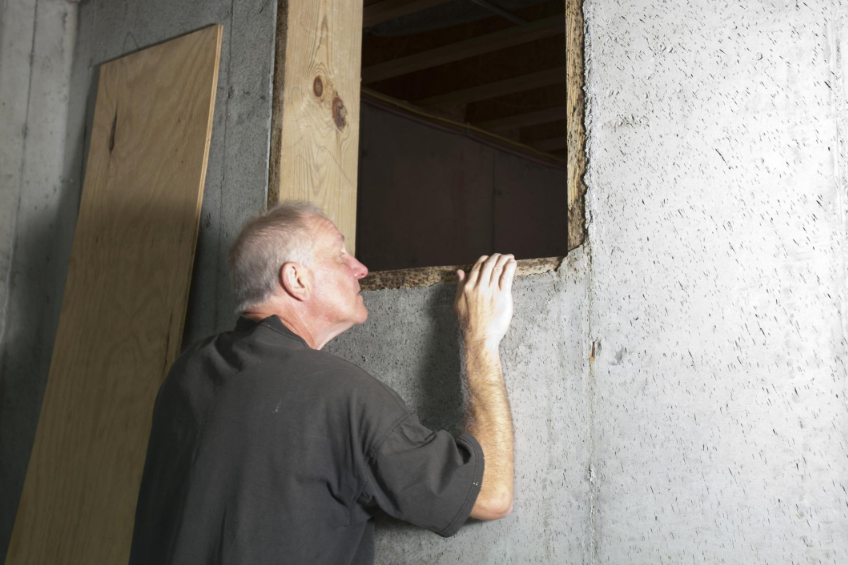
Man stretching up to look into dark crawlspace
By Curtis Showvaker November 7, 2024
Sealing Your Crawl Space: Weighing the Pros and Cons
More Posts