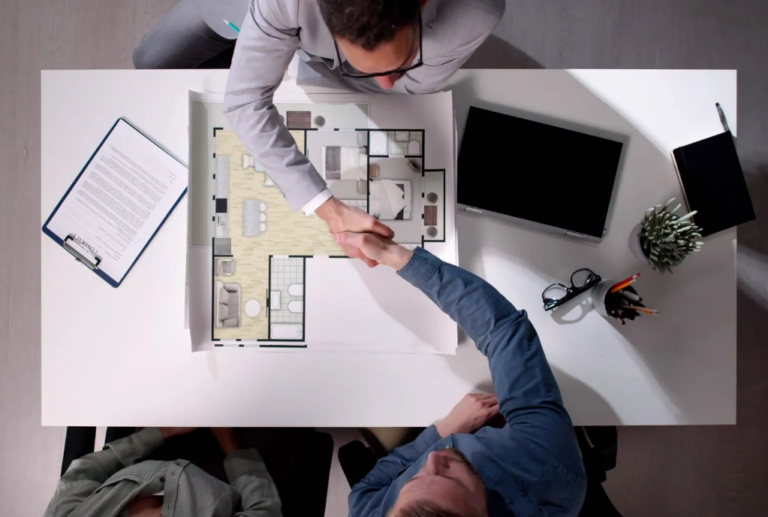
What "Builder-Ready Plans" Really Means

How Clear Construction Drawings Reduce Stress, Cost, and Delays
When homeowners begin the custom home process, the phrase builder-ready plans comes up early. It sounds straightforward, but once construction begins, the true meaning becomes very clear. After drawing on nearly five decades of hands-on construction and residential design experience, I’ve seen how much the quality of the drawings influences cost, scheduling, and overall progress on the jobsite.
Builder-ready plans are more than attractive floor plans and a few elevations. They are clear, accurate, and developed with a builder’s mindset. They provide the information your builder and trades need to make decisions, coordinate work, and move forward without unnecessary questions. In short, they reduce surprises in the field and support a smoother project from day one.
What Makes a Set of Plans Builder-Ready?
A plan becomes builder-ready through careful modeling, consistent detailing, and a full understanding of how the home will actually be built. That clarity starts early. It grows out of solid preliminary design work, steady communication, and a practical look at how the design responds to the site.
Homes rarely run into trouble because of the overall concept. They run into trouble because of missing or unclear details. A plan may look polished at first glance, yet still leave the builder with questions as soon as framing begins. Builder-ready drawings aim to answer those questions long before the crew arrives on-site.
Why Clear, Accurate Construction Drawings Matter
Builders depend on documentation they can trust. That means more than clean drawings. It requires:
- Alignment between floor plans, elevations, and the way the home will actually be framed
- Dimensions that are accurate, intentional, and consistent
- Roof and framing layouts that make sense from a practical building standpoint
- Clear sections and notes where detail matters most
Plans developed with this level of precision help reduce questions from the jobsite, minimize on-site problem solving, and avoid last-minute changes. When everything is clearly defined up front, each trade—from excavation through roofing—can stay aligned and work more efficiently.
How Builder-Ready Plans Improve Communication During Construction
A significant amount of communication flows through the drawings themselves. When construction documents are clear, the builder can move forward with fewer assumptions. Trades can price materials accurately, coordinate schedules, and understand exactly what is expected.
This clarity supports homeowners as well. It makes the process easier to follow, keeps expectations realistic, and provides a more reliable picture of how design decisions translate into real construction. Builder-ready plans create alignment early, long before any concrete or framing takes place.
How Clear Plans Protect the Budget
Unclear drawings almost always lead to rework. Rework leads to delays, material waste, and added cost. Builder-ready plans help prevent that by identifying issues before they ever reach the jobsite.
By drawing on nearly five decades in the field, my focus is to model the home thoroughly, guide decisions with real-world building knowledge, and deliver documentation that supports a smoother construction process. Clear plans cost far less than unclear ones in the long run.
A Strong Foundation for a Smoother Custom Home Build
Builder-ready plans don’t eliminate every challenge in residential construction, but they establish a stronger foundation for the entire project. They support steady progress, reduce uncertainty, and help build trust between the homeowner, the builder, and the design team.
The goal is simple: documentation that improves outcomes. Plans that help the builder move forward with confidence. A design process rooted in clarity, integrity, and practical construction experience.
That’s what builder-ready truly means—and why it matters for your home.