The Crawl Space Chronicles: Sealing Your Home's Underbelly
Sealing Your Crawl Space: Weighing the Pros and Cons
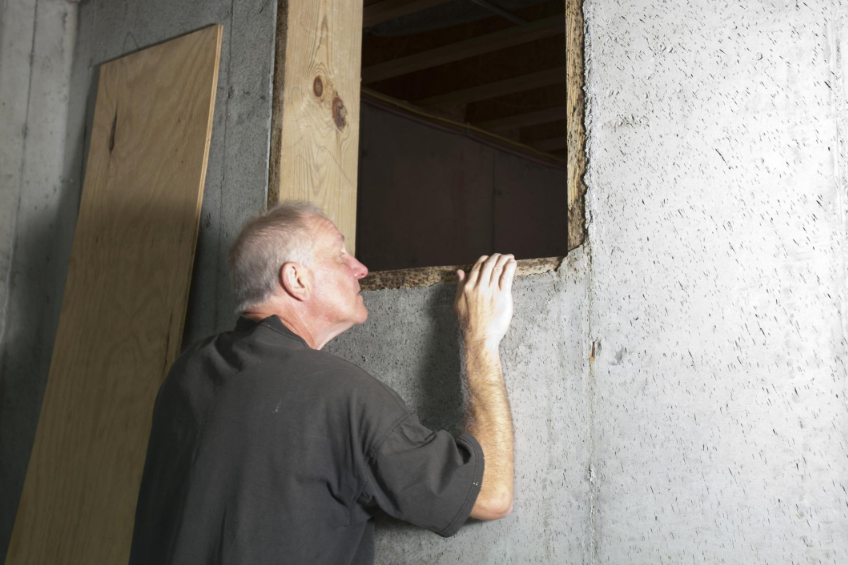
When it comes to home improvement, sealing your crawl space is a topic that often sparks debate. This crucial area beneath your home can significantly impact your living environment, energy efficiency, and overall home health. Let's explore the advantages and potential drawbacks of crawl space encapsulation to help you make an informed decision.
The Pros of Sealing Your Crawl Space
Enhanced Moisture Control
One of the primary benefits of crawl space encapsulation is its ability to protect against moisture and mold. By sealing the area, you create a barrier that prevents moisture infiltration, safeguarding your home's structural integrity and preventing mold growth [1]. This is particularly important in humid climates where moisture issues are more prevalent.
Improved Air Quality
A sealed crawl space can significantly enhance the air quality within your home. By preventing the intrusion of mold, mildew, and other pollutants, you create a healthier living environment for you and your family [1]. Remember, up to 40% of the air in your home comes directly from your crawl space, so ensuring this air is clean is crucial [4].
Energy Efficiency
Crawl space encapsulation can lead to noticeable improvements in your home's energy efficiency. By sealing off the crawl space, you prevent outside air from affecting your home's internal temperature, reducing the workload on your HVAC system [1]. This can result in energy savings of up to 18% on heating and cooling costs [4].
Pest Prevention
A properly sealed crawl space acts as a deterrent for pests. By eliminating entry points, you can keep rodents, insects, and other unwanted visitors out of your crawl space and, by extension, your home [1].
Increased Home Value
Encapsulating your crawl space can be an attractive feature for potential buyers, potentially increasing your home's market value [1].
The Cons of Sealing Your Crawl Space
Initial Cost
One of the primary drawbacks of crawl space encapsulation is the upfront cost. Depending on the size of your crawl space and the extent of work required, the cost can range from $1,500 to $15,000 [3]. However, it's important to consider this as an investment that can lead to long-term savings through improved energy efficiency and reduced maintenance costs.
Additional Maintenance
While a sealed crawl space can reduce overall maintenance needs, it does require some ongoing attention. You'll need to periodically inspect the vapor barrier and dehumidifier to ensure they're functioning properly [3].
Potential Loss of Storage
If your crawl space was previously used for storage and doesn't have an access door, sealing it might mean losing this storage space. However, this can be mitigated by adding a well-insulated, airtight door during the encapsulation process [3].
Professional Installation Required
Crawl space encapsulation is not typically a DIY project. It requires professional expertise to ensure proper installation and avoid potential issues down the line [3].
Conclusion
While crawl space encapsulation comes with some challenges, the benefits often outweigh the drawbacks for many homeowners. Improved air quality, enhanced energy efficiency, and protection against moisture and pests are significant advantages that can contribute to a healthier, more comfortable home environment.
Before making a decision, it's crucial to assess your specific situation. Consider factors such as your local climate, the current condition of your crawl space, and your long-term home maintenance goals. Consulting with a professional can provide valuable insights and help you determine if crawl space encapsulation is the right choice for your home.
Remember, a well-maintained crawl space contributes to the overall health and efficiency of your home. Whether you choose to seal your crawl space or not, regular inspections and maintenance are key to preventing issues and ensuring your home remains in top condition.
Citations:
[1] https://www.drcrawlspace.com/crawl-space-encapsulation-pros-cons
[2] https://www.reddit.com/r/HomeImprovement/comments/5jzhok/any_negative_to_sealing_in_a_crawl_space/
[3] https://moistureloc.com/everything-you-need-to-know-about-the-benefits-and-drawbacks-of-crawl-space-encapsulation/
[4] https://crawlspacedoctor.com/(864) 580-8789/should-your-crawl-space-be-ventilated-or-sealed/
[5] https://www.baycrawlspace.com/sealing-a-crawl-space-pros-and-cons/
[6] https://www.jeswork.com/resources/crawl-space-repair/crawl-space-encapsulation-pros-and-cons/
[7] https://www.thefreshaircompanies.com/crawl-space-encapsulation-pros-and-cons/
[8] https://bobistheoilguy.com/forums/threads/home-improvement-pros-and-cons-of-crawl-space-encapsulation.(864) 580-8789/