
Embracing the Art of Building Science and Sustainability
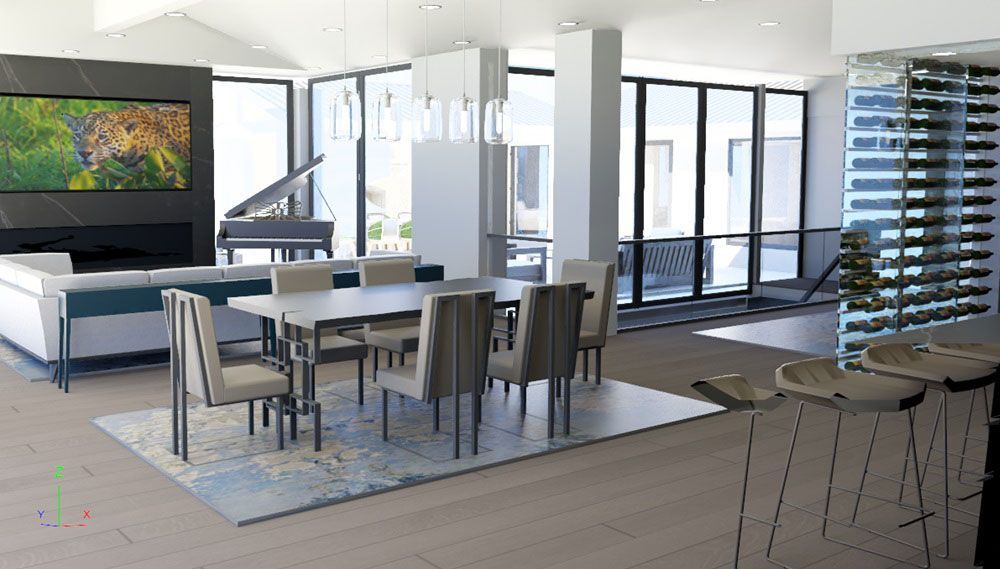
The world of architecture and construction is a harmonious blend of art and science.
While the design process thrives on creativity and innovation, it is the principles of building science that give these creations the foundation to stand tall and withstand the test of time. Building science is the systematic study of how buildings function, interact with the environment, and impact occupants' well-being. In this blog, we will delve into the fascinating realm of building science, exploring its significance, core principles, and how it shapes the future of sustainable construction.
Understanding Building Science
Building science is an interdisciplinary field that draws knowledge from various scientific disciplines like physics, engineering, biology, and material science. Its primary focus is to optimize building performance, energy efficiency, comfort, and indoor air quality while minimizing the environmental footprint. Buildings are complex systems, and understanding how all the components work together is crucial for creating structures that function efficiently and holistically.
Core Principles of Building Science
- Thermal Performance: Maintaining a comfortable indoor temperature is vital for the well-being of occupants. Building science analyzes heat transfer mechanisms, insulation, and ventilation to ensure optimal thermal performance. This leads to reduced energy consumption and lower utility costs.
- Moisture Management: Proper moisture management prevents the accumulation of dampness and mold growth, which can negatively impact both the building's structural integrity and indoor air quality. Techniques such as vapor barriers and proper drainage systems are vital for maintaining a dry environment.
- Air Quality and Ventilation: Good indoor air quality promotes a healthy living and working environment. Building science focuses on adequate ventilation, air filtration, and the reduction of pollutants to provide fresh, breathable air inside buildings.
- Energy Efficiency: The efficient use of energy is not only beneficial for cost-saving but also for environmental sustainability. Building science incorporates energy-efficient design, high-performance building materials, and renewable energy integration to minimize a building's carbon footprint.
- Sustainable Materials: The choice of building materials is fundamental in building science. Using sustainable, eco-friendly materials reduces the environmental impact and ensures the longevity of the building.
- Building Envelope: The building envelope is the boundary between the conditioned indoor environment and the external elements. Building science seeks to optimize the envelope's design to prevent heat loss, air leakage, and moisture infiltration.
Building Science in Action
In recent years, building science has seen a surge in popularity due to the growing emphasis on sustainability and green building practices. Architects and engineers are using advanced modeling and simulation tools to analyze building performance before construction even begins. Building Information Modeling (BIM) allows for the integration of various data points, enabling professionals to optimize designs and identify potential issues in real time Passive House design, inspired by the German Passivhaus concept, is a prime example of building science in action. These ultra-energy-efficient buildings utilize a combination of super-insulation, airtight construction, heat recovery ventilation, and solar gains to drastically reduce energy consumption, providing an exceptional level of comfort for occupants.
Moreover, the incorporation of smart technology into buildings is transforming the way they interact with their environment. Smart sensors and automation systems are being used to regulate lighting, temperature, and even air quality, maximizing efficiency and occupant well-being.
Building Science for the Future
As we move towards a more sustainable and eco-conscious future, building science will play a pivotal role in shaping the construction industry. The integration of renewable energy sources, such as solar panels and wind turbines, will become more prevalent. Innovative materials with enhanced insulative properties and reduced carbon footprints will revolutionize construction practices.
Additionally, building science will be instrumental in retrofitting existing structures to meet modern energy efficiency standards. This will not only help reduce energy consumption but also breathe new life into aging buildings, making them more resilient and adaptable to the changing climate.
Conclusion
Building science stands as the cornerstone of sustainable construction, allowing architects and engineers to bring their creative visions to life while ensuring a building's performance and long-term viability. By embracing the principles of thermal performance, moisture management, air quality, and energy efficiency, we can construct greener, more comfortable spaces that positively impact both the environment and the people who inhabit them. As we continue to push the boundaries of building science, we step closer to a future where creativity and technology coexist harmoniously, building a better world for generations to come.