Building Sustainably with Straw: Smart Eco-Friendly Homes
The Three Little Pigs had the right idea after all.
Introduction
As sustainability and environmentally conscious building practices continue to gain momentum, alternative construction methods are getting a closer look. One such method is straw bale construction, a sustainable building technique that has been gaining popularity in recent years. In this blog post, we'll take a closer look at straw bale construction, exploring its history, benefits, and how it's being used in modern construction projects.
A Brief History of Straw Bale Construction
Straw bale construction isn't a new concept; in fact, it has been used for centuries. Historically, people used straw bales as insulation in their homes, stacking them to create walls. However, it wasn't until the late 19th and early 20th centuries that straw bale construction gained prominence in parts of the United States, particularly in the Midwest. These early straw bale homes were a testament to the durability and insulation properties of this renewable resource.
The Basics of Straw Bale Construction
- Materials: The primary material used in straw bale construction is straw. It's essential to use straw rather than hay, as straw is dry and doesn't contain seeds. The straw is typically compressed into bales, which are then used as building blocks.
- Foundation: Like traditional construction, straw bale buildings require a solid foundation. Typically, this is a concrete or stone foundation to provide stability and prevent moisture infiltration.
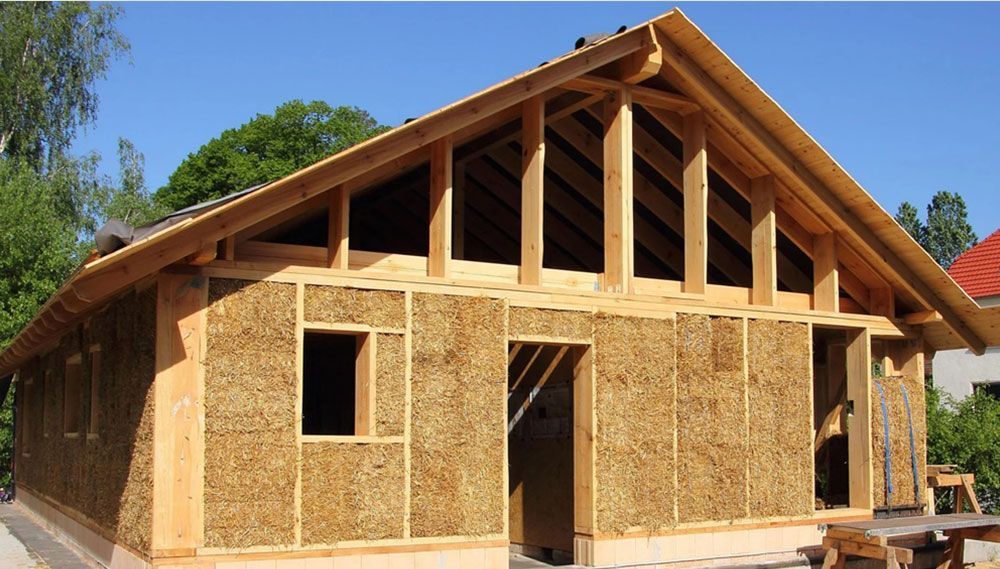
- Bale Placement: The straw bales are stacked horizontally, much like traditional bricks, and are secured using a combination of stakes, wire, or even natural binders like clay or lime plaster.
- Plaster: Once the straw bales are in place, they are covered with multiple coats of plaster inside and out. This plaster layer provides weatherproofing, insulation, and fire resistance. It's crucial to protect the straw from moisture, as it can decompose when wet.
Advantages of Straw Bale Construction
- Environmentally Sustainable: One of the most significant advantages of straw bale construction is its eco-friendliness. Straw is a renewable resource and using it as a building material reduces the need for more resource-intensive materials like concrete or steel.
- Excellent Insulator: Straw bales have excellent insulation properties, making them ideal for energy-efficient buildings. They provide a high thermal mass, which helps regulate indoor temperatures, reducing the need for heating and cooling.
- Cost-Effective: In some regions, straw bales can be more cost-effective than traditional building materials. Additionally, the construction process can be simpler, potentially reducing labor costs.
- Fire-resistant: Contrary to what you might think, straw bales can be quite fire-resistant when properly plastered. The dense plaster covering protects the straw from ignition.
- Design Flexibility: Straw bale construction offers architectural flexibility. It can be used for both traditional and modern designs, allowing for creativity in construction.
Challenges and Considerations. While straw bale construction offers numerous benefits, it's not without its challenges:
- Moisture Management: Proper moisture management is crucial to prevent straw decomposition. Adequate overhangs and well-sealed plaster are essential.
- Pest Control: Straw can attract pests like rodents, so measures must be taken to deter them.
- Building Codes: Building codes and regulations for straw bale construction can vary by location. Ensure compliance with local codes before starting a project.
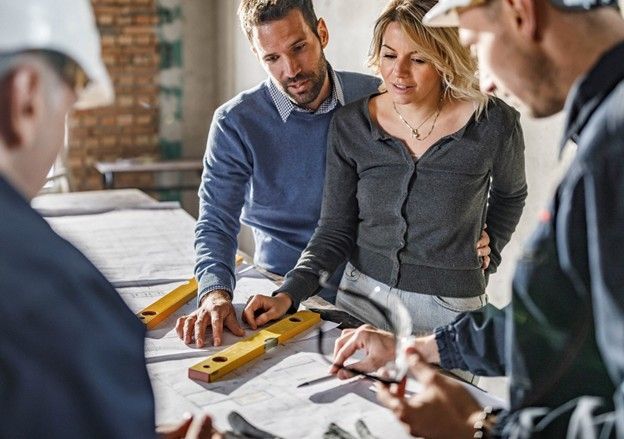
- Professional Guidance: Due to the unique nature of straw bale construction, it's advisable to work with experienced architects or builders who understand the intricacies of this method.
Conclusion
Straw bale construction is a fascinating and sustainable building technique with a rich history. It offers numerous benefits, from environmental sustainability to excellent insulation properties. However, it's essential to approach such projects with careful planning and professional guidance to ensure the best results. As the world continues to prioritize sustainable building practices, straw bale construction is likely to remain a compelling option for those looking to build a home with natural materials.