The Perfect Balance: An Airtight & Well-Ventilated Home

Showvaker Residential Design • March 14, 2024
Couple taking a deep breath of fresh air

Why build an airtight home?

In the pursuit of creating an ideal living space, designers, builders, and homeowners often grapple with the challenge of striking the right balance between airtightness and ventilation. While sealing a house tightly is crucial for energy efficiency and indoor comfort, proper ventilation is equally important to ensure a healthy living environment. In this blog post, we will explore the significance of constructing a home that is both airtight and well-ventilated.


1. The Importance of Airtightness: Airtight construction involves sealing gaps and cracks in a home's envelope to minimize the exchange of indoor and outdoor air. This is essential for several reasons:

  • Energy Efficiency: An airtight home is more energy-efficient, as it prevents the loss of conditioned air. This translates into lower utility bills and reduced environmental impact.
  • Comfort: Airtight construction helps maintain a consistent indoor temperature, preventing drafts and cold spots. This enhances overall comfort for the occupants.
  • Moisture Control: Tight sealing inhibits the entry of moisture, preventing issues such as mold growth and structural damage. This is particularly crucial in regions with high humidity levels.


2. Ensuring Proper Ventilation: While airtightness is vital, a home also needs to be well-ventilated to address indoor air quality concerns. Proper ventilation offers the following benefits:

  • Indoor Air Quality: Ventilation ensures the continuous exchange of indoor and outdoor air, reducing the concentration of pollutants and improving overall air quality.
  • Health and Well-being: Adequate ventilation helps prevent the buildup of allergens, pollutants, and volatile organic compounds (VOCs), promoting a healthier living environment.
  • Odor Control: Good ventilation helps dissipate cooking smells, pet odors, and other unpleasant scents, contributing to a more pleasant indoor atmosphere.


3. Achieving the Perfect Balance: Building a home that is both airtight and well-ventilated requires a thoughtful and integrated approach. Here are some strategies to achieve the perfect balance:

  • High-Quality Insulation: Invest in quality insulation materials to enhance airtightness while ensuring thermal comfort.
  • Use of Sealing Techniques: Employ effective sealing techniques, such as weatherstripping and caulking, to seal gaps around windows, doors, and other potential leakage points.
  • Mechanical Ventilation Systems: Implement mechanical ventilation systems, such as energy recovery ventilators (ERVs) or heat recovery ventilators (HRVs), to ensure a continuous supply of fresh air while recovering energy from exhaust air.
  • Smart Design: Incorporate thoughtful design features, such as strategic placement of windows and vents, to encourage natural ventilation.


Conclusion: In the quest for a comfortable, energy-efficient, and healthy home, finding the right balance between airtightness and ventilation is paramount. A well-designed and executed building plan, coupled with high-quality materials and modern ventilation systems, can create a living space that meets the diverse needs of its occupants. Striking this balance not only enhances the overall quality of life but also contributes to a sustainable and eco-friendly living environment.

By Curtis Showvaker December 11, 2025
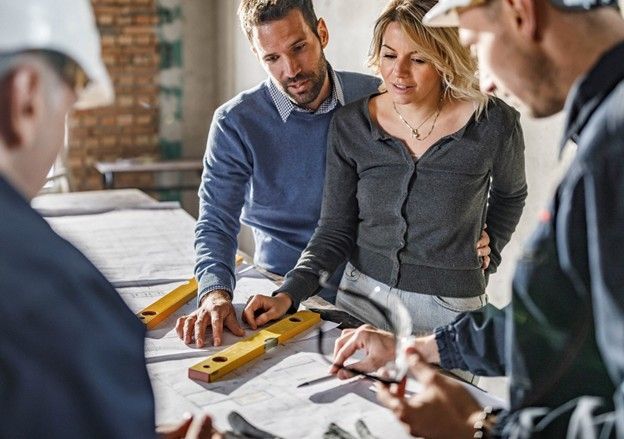
How Clear Construction Drawings Reduce Stress, Cost, and Delays When homeowners begin the custom home process, the phrase builder-ready plans comes up early. It sounds straightforward, but once construction begins, the true meaning becomes very clear. After drawing on nearly five decades of hands-on construction and residential design experience, I’ve seen how much the quality of the drawings influences cost, scheduling, and overall progress on the jobsite. Builder-ready plans are more than attractive floor plans and a few elevations. They are clear, accurate, and developed with a builder’s mindset. They provide the information your builder and trades need to make decisions, coordinate work, and move forward without unnecessary questions. In short, they reduce surprises in the field and support a smoother project from day one. What Makes a Set of Plans Builder-Ready? A plan becomes builder-ready through careful modeling, consistent detailing, and a full understanding of how the home will actually be built. That clarity starts early. It grows out of solid preliminary design work, steady communication, and a practical look at how the design responds to the site. Homes rarely run into trouble because of the overall concept. They run into trouble because of missing or unclear details. A plan may look polished at first glance, yet still leave the builder with questions as soon as framing begins. Builder-ready drawings aim to answer those questions long before the crew arrives on-site. Why Clear, Accurate Construction Drawings Matter Builders depend on documentation they can trust. That means more than clean drawings. It requires: Alignment between floor plans, elevations, and the way the home will actually be framed Dimensions that are accurate, intentional, and consistent Roof and framing layouts that make sense from a practical building standpoint Clear sections and notes where detail matters most Plans developed with this level of precision help reduce questions from the jobsite, minimize on-site problem solving, and avoid last-minute changes. When everything is clearly defined up front, each trade—from excavation through roofing—can stay aligned and work more efficiently. How Builder-Ready Plans Improve Communication During Construction A significant amount of communication flows through the drawings themselves. When construction documents are clear, the builder can move forward with fewer assumptions. Trades can price materials accurately, coordinate schedules, and understand exactly what is expected. This clarity supports homeowners as well. It makes the process easier to follow, keeps expectations realistic, and provides a more reliable picture of how design decisions translate into real construction. Builder-ready plans create alignment early, long before any concrete or framing takes place. How Clear Plans Protect the Budget Unclear drawings almost always lead to rework. Rework leads to delays, material waste, and added cost. Builder-ready plans help prevent that by identifying issues before they ever reach the jobsite. By drawing on nearly five decades in the field, my focus is to model the home thoroughly, guide decisions with real-world building knowledge, and deliver documentation that supports a smoother construction process. Clear plans cost far less than unclear ones in the long run. A Strong Foundation for a Smoother Custom Home Build Builder-ready plans don’t eliminate every challenge in residential construction, but they establish a stronger foundation for the entire project. They support steady progress, reduce uncertainty, and help build trust between the homeowner, the builder, and the design team. The goal is simple: documentation that improves outcomes. Plans that help the builder move forward with confidence. A design process rooted in clarity, integrity, and practical construction experience. That’s what builder-ready truly means—and why it matters for your home.
By Curtis Showvaker April 15, 2025
Understand the Difference Before You Commit 
Man stretching up to look into dark crawlspace
By Curtis Showvaker November 7, 2024
Sealing Your Crawl Space: Weighing the Pros and Cons
More Posts